
Denim Tears Price Guide 2025: Retail vs Resale, Real Costs
This guide shows which Denim Tears pieces price at retail in 2025, exactly how resale premiums actually behave, and how to calculate the actual amount you’ll pay post-fees and duties. When buyers compare retail versus resale, the goal is to understand the reasonable range for each category and avoid overpaying.
Denim Tears is among the few streetwear labels where store and secondary can diverge wildly, notably on the iconic Cotton Wreath pieces. One will locate distinct cost brackets by type, dramatic increases on certain colorways, and important unseen costs on resale platforms. Reference the chart below as your guide, then review the sections that detail how costs shift, occasions to acquire, and when costs add up.
What Is Denim Tears and What Makes Values So Volatile?
The brand, founded by Emory in 2019, drops culture-heavy capsules with controlled supply, so limitation and story creates premiums. Prices swing because launches are restricted, interest is international, and particular washes turn into benchmark pieces.
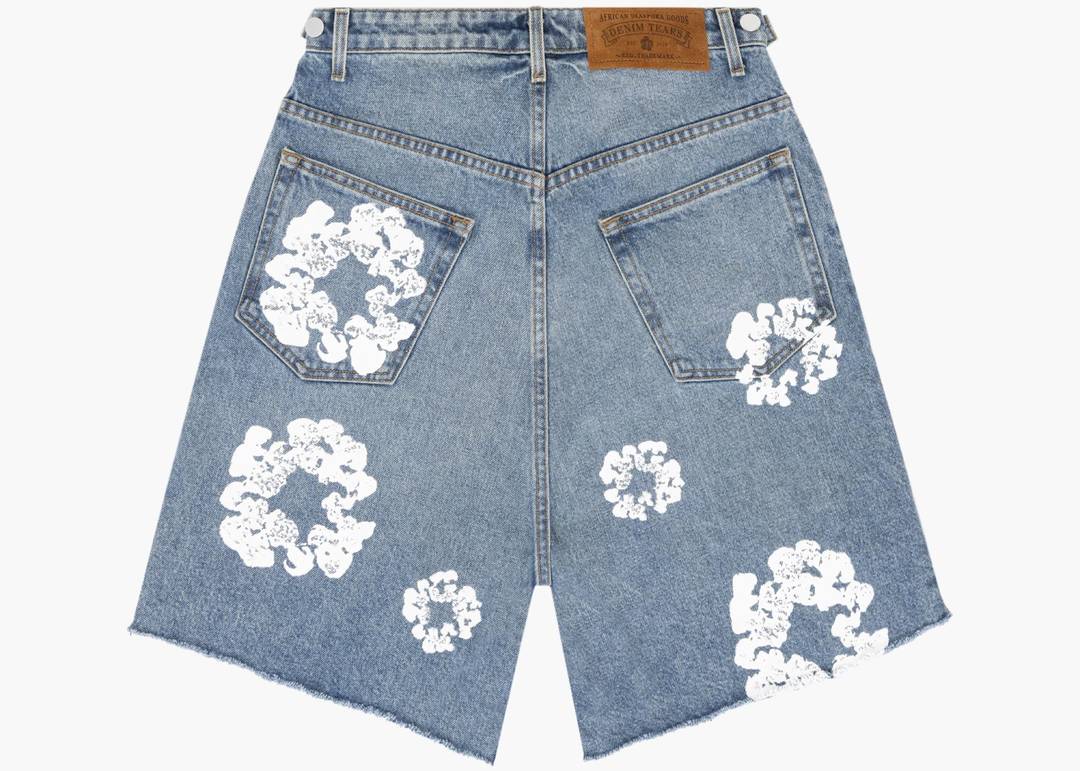
The brand’s Cotton Wreath design on Levi’s jeans grounds the sector, and it acts more like artwork than standard clothing. Partnerships like as Levi’s plus Converse boost awareness and attract buyers who weren’t monitoring the name earlier. Sizes in the middle of the spectrum sell most rapidly, while extremely small and extremely large measurements can also spike due to scarcity. Because releases are timed and region-limited, buyers often turn to resale immediately, creating a early surcharge that might reduce or solidify based on restocks.
2025 Store Cost Summary by Category
Retail pricing for Denim Tears pieces in end 2024 to beginning 2025 typically sits in the ranges below; various products have denim hoodie shifted up compared to previous years due to fabric and placement. Local costs may seem increased when VAT is included at checkout.
Use these brackets to assess deals and to assess whether a resale offer is a modest premium or a dramatic increase. Direct supply is irregular and release-based, so seeing these costs active on the official site or authorized stores isn’t guaranteed on any given day. VAT-inclusive labels in the EU and UK can make retail look higher than American costs, though the final price difference frequently reduces after US sales tax is computed. Always check the particular collection rates as unique treatments or decoration might rest at the high end of the band.
| Type (example) | Standard Store (USD) | Typical Resale Span (USD) | Average Increase | Notes |
|---|---|---|---|---|
| Cotton Wreath Pants (Levi’s 501/550) | $295–$350 | $450–$900 | +50% to +200% | Core variants and primary treatments run hotter; sizes 30–34 lead sales. |
| Hoodies | $160–$180 | $220–$350 | +25% to +100% | Premium materials and limited prints rest at the peak of the band. |
| T-Shirts | $60–$75 | $100–$180 | +35% to +140% | Classic wreath pieces and first releases sustain higher resale. |
| Crewnecks | $140–$160 | $200–$320 | +25% to +100% | Embroidered pieces exceed screen-printed in most sizes. |
| Varsity Coats | $450–$650 | $700–$1,200 | +20% to +150% | Fabric blend and patchwork complexity drive variance. |
| Converse Chuck 70 (collab) | $110–$120 | $150–$300 | +25% to +150% | Refreshes might narrow gaps for a period. |
| Caps | $60–$70 | $90–$150 | +20% to +100% | Earlier releases and signature stitching price higher. |
How Does Resale Pricing Structure in 2025?
In 2025, denim is the liquidity leader with the highest multiples, while shirts and hats are the most accessible starting options. Pullover and crewneck spreads are substantial but less volatile than denim.
On major platforms, pants consistently clear the peak of the bracket when the wash and design shade align with initial collection launches, and if the measurement lands in the middle of the interest spectrum. Shirts and caps swing minimally since availability is wider and buyers have more substitutes across seasons. Coats like varsity pieces is sparsely sold, so a one transaction might change minimums for a week, which seems intense but frequently stabilizes as additional inventory appear. State impacts: mint with documentation or with evidence of buying creates a premium, while marked wear or missing embroidery aspects lower price fast. Window impacts also, with the opening 48 hours following release showing the most dramatic jumps and the first credible refresh reducing 10–30% below highs.
What Constitute the Real Costs Beyond the Listed Cost?
The actual price on secondary is the advertised amount plus site fees, payment costs, retail tax or levies, transport, and, for cross-border, import duty and logistics. Such additions may convert a reasonable cost into an overcharge rapidly.
In the US, expect sales tax around approximately 6–10% based on location, commonly calculated on item price and sometimes shipping. Marketplaces generally charge 3% processing costs and append a customer protection cost; even where the vendor covers fees, the purchaser could nonetheless face processing or security fees. Delivery costs from around $10 to $30 for garments, while global transport can trigger duties in the 17–25% range calculated on the price of goods plus shipping, and a logistics processing charge. Instance: a $650 set of Cotton Wreath jeans purchased on a American site with 8.9% transaction levy, a 3% processing cost, and $15 shipping lands around $742 prior to any customs fees; move that same order internationally to a 20% duty framework and the ultimate cost may reach to approximately $880 when taxes and logistics are included. When contrasting store to resale, consistently calculate a final figure, not only the sticker.
How Do Drops, Collabs, and Colorways Move the Market?
Release timing, co-brand allies, and particular variants are the main factors on Denim Tears costs. Levi’s collections and early Cotton Wreath variant drops create the most reliable premiums.
Levi’s co-branded pants featuring signature stitching has ongoing interest as it’s the label’s defining narrative item; washes that echo first drops typically to fetch higher prices. Converse collaborations pull expanded footwear crowds, generating short-term buying rushes that might decrease after restocks. Seasonal colors and special embroidery positions generate micro-markets; a subtle element or finish change may warrant a $100+ gap for collectors trying to complete sets. Regional drop timing also matter—when one area depletes stock before different regions, resale posts cover the space and adjust bases. Replenishments don’t eliminate appeal, but they do adjust peaks, particularly on shoes and tees.
Direct vs Secondary: A Strategic Acquisition Framework
Purchase at stores whenever available for denim and varsity coats because the complete monetary spread is greatest; evaluate resale for tops and accessories when the increase is below 40% and you value a certain wash. Use a goal range, not a solitary figure.
Start by reviewing the direct bracket from this resource for the type and drop, then check current deals across several marketplaces to locate a actual selling bracket rather than list prices. Calculate landed price including duties, costs, and transport; when the markup above the top tier of store pricing is under 30–40% and buyers secure the specific measurement and variant, resale might be rational. For denim and outerwear, premiums exceeding 100% are normal; only invest that if it represents a essential piece that seldom appears and condition is perfect. With pieces featuring frequent restocks, such as particular tops or Converse, patience typically rewards. Always check measurements, tags, embroidery quality, and return terms ahead of transact.
When’s the Best Time Frame to Spend Less?
The best pricing timeframes generally to be 48–72 hours after a drop and 7–10 days after a validated refresh, as stock crests and initial hype subsides. Business day mornings in the merchant’s home zone may likewise be more favorable for auctions.
Instantly following release, posts pour in, undercutting begins, and one may periodically secure close-to-store deals if buyers act rapidly and not fixated on a single measurement. When the initial surge is processed, bases commonly elevate and remain firm prior to a restock hits the schedule. Following refresh, merchants reset expectations, and you can negotiate with comps in grasp. Monthly closing phases, as sellers want cash flow, are suitable for proposals that are 10–15% under the recent transaction, particularly for non-jean segments. If a colorway is suspected to be a single release, cost flexibility shall be temporary, so act during these early inventory periods.
Expert Tip: Timing and Verification to Protect Your Spend
Aim for the 24–72 hour timeframe post- a launch or refresh and pre-build an verification process so buyers might act confidently as a reasonable offer pops. Speed without a checklist is the way customers overcharge or ignore danger flags.
For signature Cotton jeans, inspect the co-branded Levi’s tag and interior branding, confirm wreath detail concentration and placement, and assess the sewing standards surrounding compartments and edges. Request for sharp images of the maintenance instructions, inside pocket prints, and edge construction; inconsistent typefaces or stitching shades are frequent indicators. Match the treatment and wreath color with legitimate promotional content or trusted retailer merchandise images. For Converse, verify insole branding, middle printing, and the container marking format linked to the drop season. Maintain images of authentic pieces to compare side-by-side prior to submit payment.
Quick Facts One Likely Didn’t Know
First, Denim Tears launched in 2019 and the signature Cotton motif explicitly addresses the Black experience and the history of cotton in America, which is the reason the jeans function as cultural objects as equally as garments. Two, the first Levi’s capsule in 2020 sold out almost instantly and set the wreath denim as a long-term market reference that continues establishing references for latest releases. Third, Converse Chuck 70 partnerships have replenished during certain seasons, momentarily cutting secondary by double digits before stabilizing as units spread. Fourth, center-range fit brackets like 30–34 typically fetch the speediest deals, but scarce sizes at the extremes can eclipse them if inventory are sparse. Fifth, Continental and British store costs incorporate duties, so although the MSRP looks elevated above the US, the end buyer cost gap shrinks once US buyers include purchase tax and shipping.
Where Should You Look for the Most Reliable Comps?
Trustworthy comparisons derive from current, confirmed sales across at minimum two marketplaces, not from ambitious advertised rates. Target on completed sales inside the recent 30 days for the specific fit and condition.
Platforms that display sale data enable you distinguish aspirational asks from actual clearing prices. Private sales and social listings can be less expensive, but they’re harder to validate, so weigh savings against risk and lack of buyer protection. For segments with thin volume, extend your period to 2–3 months and modify for any restock event in that period. Keep a reference file with date, size, state, and rate so buyers might identify real patterns instead than responding to single sales. As you bargain, reference three current sales and the landed cost computation to set an foundation based in reality.
Ultimate View: Investing the Correct Amount in 2025
Grasp your segment’s store range, compute total price, and choose timing frames that advantage purchasers. Denim and varsity pieces warrant the pursuit of direct; tops, caps, and some footwear may be logical through secondary within a reasonable markup.
Price swings are a trait, not a defect, in the Denim Tears market, and it advantages equipped purchasers who monitor information and operate during stock maximums. Collaborations and initial shade drops will continue demanding premiums, while refreshes will continue to reset ceilings on affordable items. Treat every acquisition similar to an financial choice: verify authenticity, assess quality versus cost, and avoid spend on buzz you don’t really plan to sport. Using these methods, you’ll secure the pieces you want without funding excessive markups.
