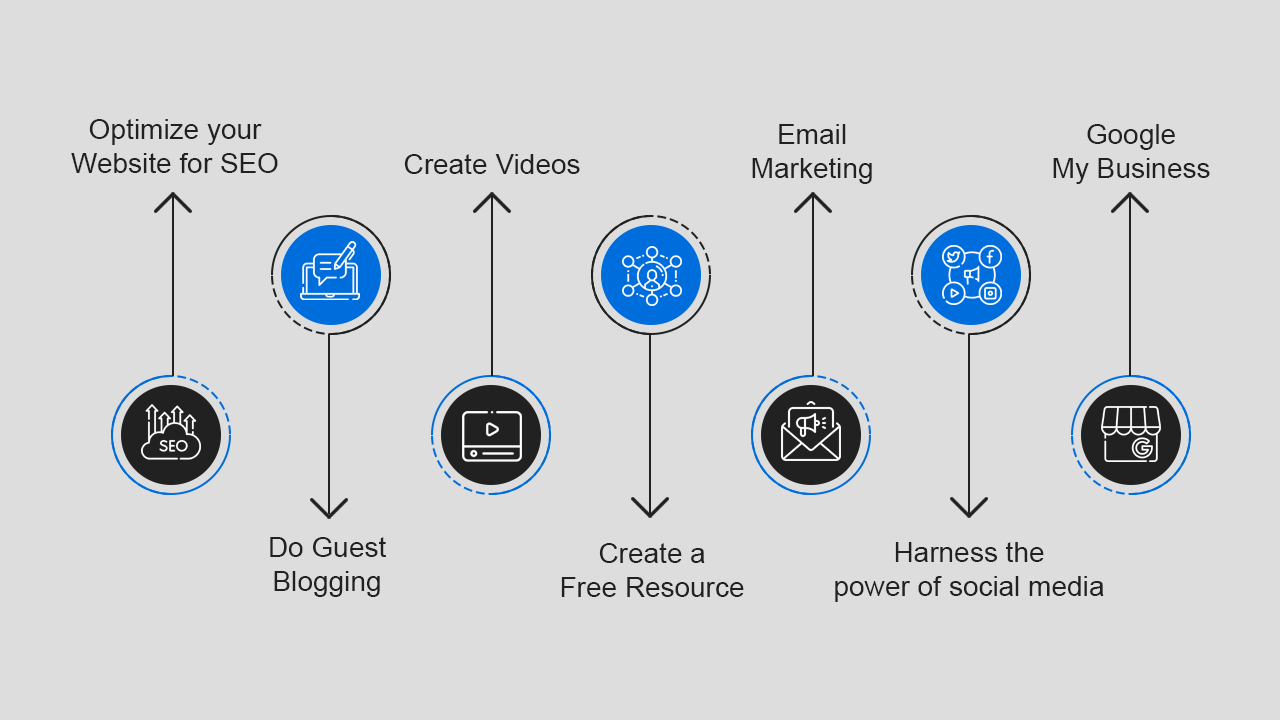
In the realm of search engine optimization (SEO), meta titles and web promotion systems descriptions play a crucial role in enhancing visibility and click-through rates on search engine results pages (SERPs). Optimising these elements is essential for attracting potential visitors to your website. Here’s a comprehensive guide on how to effectively optimise meta titles and descriptions for improved SEO performance.
Understanding Meta Titles and Descriptions
Meta titles, often referred to as title tags, are the clickable headlines that appear in SERPs. They inform search engines and users about the content of a web page. Meta descriptions, on the other hand, are brief summaries (usually 150-160 characters) that provide additional context about the page’s content. Both elements are vital for encouraging users to click through to your site.
1. Incorporate Relevant Keywords
The first step in optimising meta titles and descriptions is to include relevant keywords that your target audience is searching for. Conduct thorough keyword research using tools like Google Keyword Planner or SEMrush to identify high-traffic keywords related to your content. Place primary keywords towards the beginning of your title tag and within the meta description to enhance visibility in search results.
2. Keep It Concise and Descriptive
Meta titles should ideally be between 50-60 characters, while meta descriptions should not exceed 160 characters. Keeping these elements concise ensures that they display fully in SERPs without being truncated. Use clear and descriptive language that accurately reflects the content of the page. Avoid clickbait tactics; instead, focus on providing a truthful representation of what users can expect.
3. Create Unique Titles and Descriptions for Each Page
Each page on your website should have a unique meta title and description. This uniqueness helps search engines understand the distinct content of each page, preventing confusion and improving indexing. Duplicate meta tags can negatively impact your SEO efforts, so take the time to craft specific titles and descriptions for every page.
4. Utilise Action-Oriented Language
Encourage clicks by using action-oriented language in your meta descriptions. Phrases like “Discover,” “Learn,” “Get Started,” or “Find Out” can create a sense of urgency and entice users to click on your link. Additionally, consider including a call-to-action (CTA) that invites readers to engage with your content.
5. Implement Brand Names When Appropriate
If your brand is well-known or reputable, include your brand name in the meta title. This can increase brand recognition and trust among potential visitors. However, ensure that the title still prioritises relevant keywords and remains within the character limit.
6. Test and Analyse Performance
After optimising your meta titles and descriptions, monitor their performance using analytics tools like Google Analytics or Search Console. Pay attention to metrics such as click-through rates (CTR) and bounce rates to evaluate effectiveness. Regularly test different variations of titles and descriptions to identify what resonates best with your audience.
Conclusion
Optimising meta titles and descriptions is a fundamental aspect of SEO that can significantly impact your website’s visibility and user engagement. By incorporating relevant keywords, maintaining conciseness, ensuring uniqueness, using action-oriented language, and analysing performance, you can enhance your chances of attracting more organic traffic and improving your site’s overall performance in search results. Consistent optimisation efforts will ultimately lead to better rankings and increased conversions.